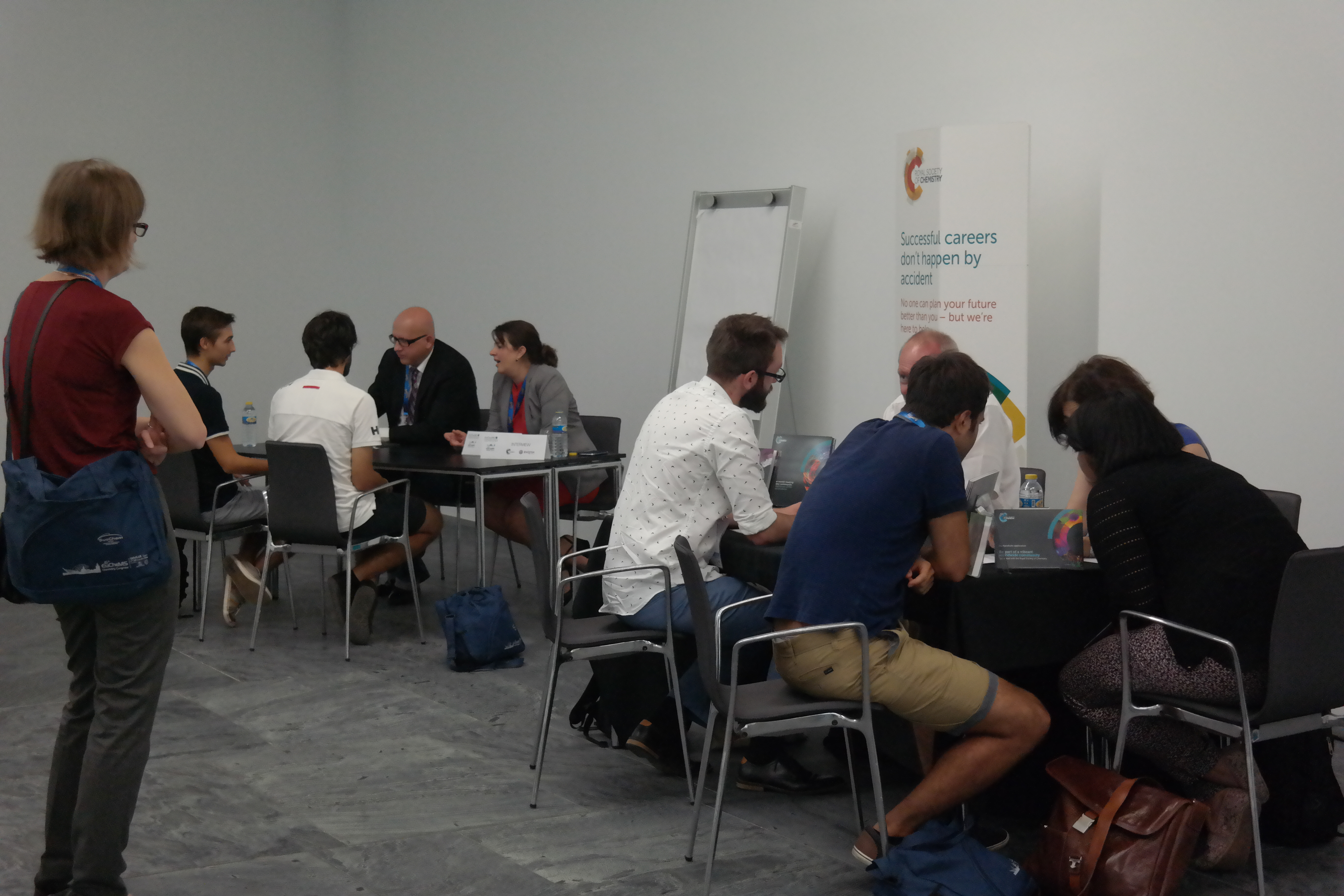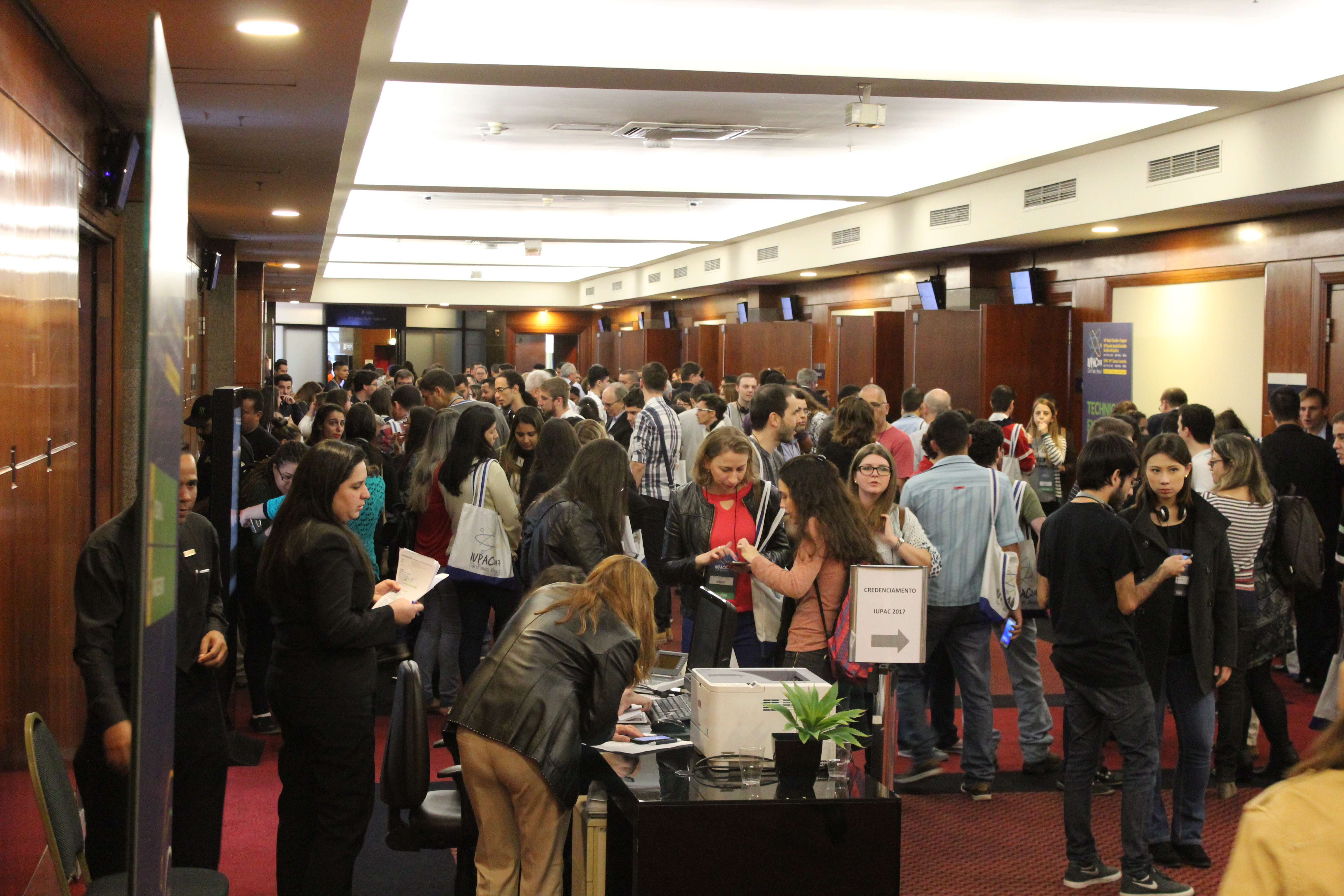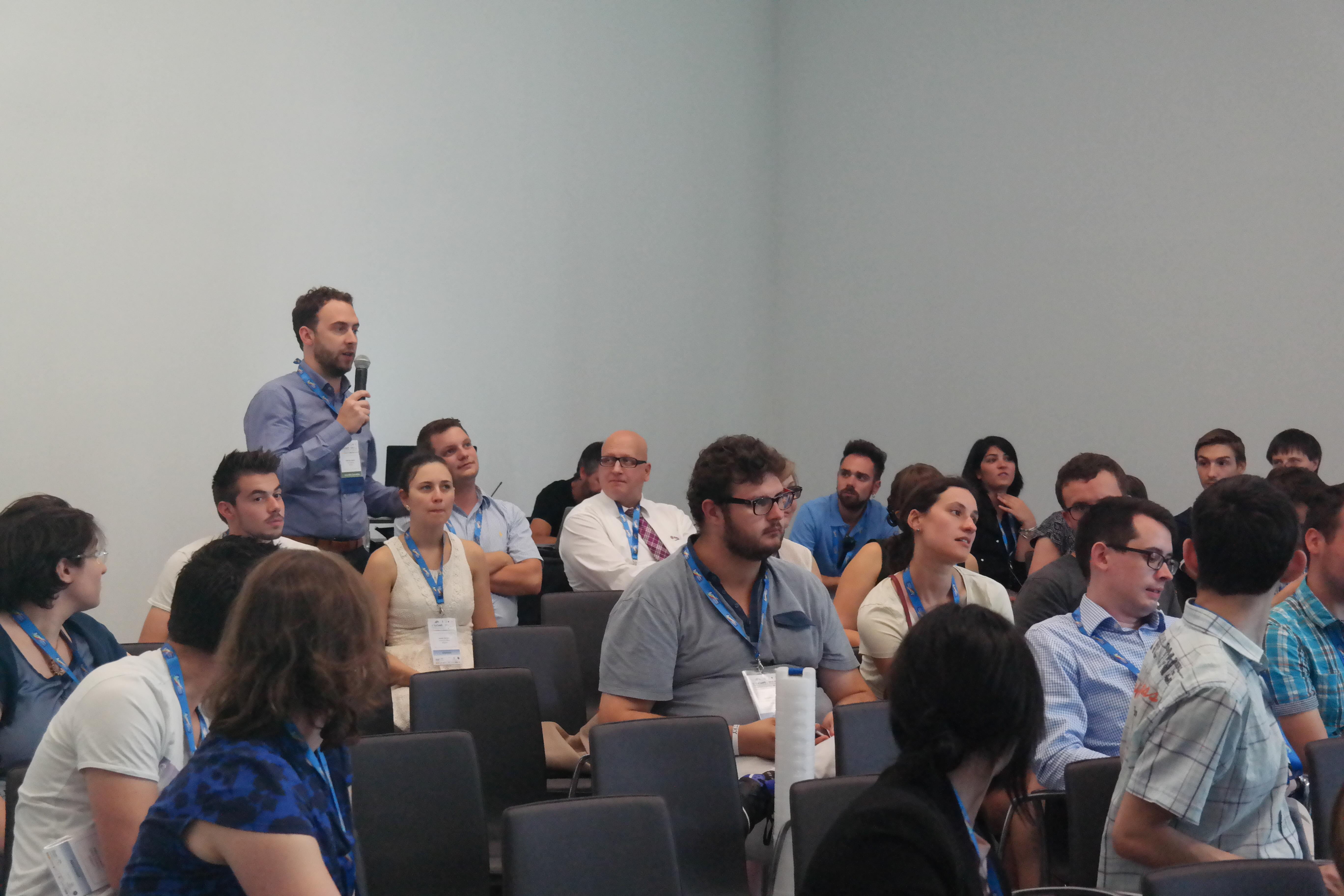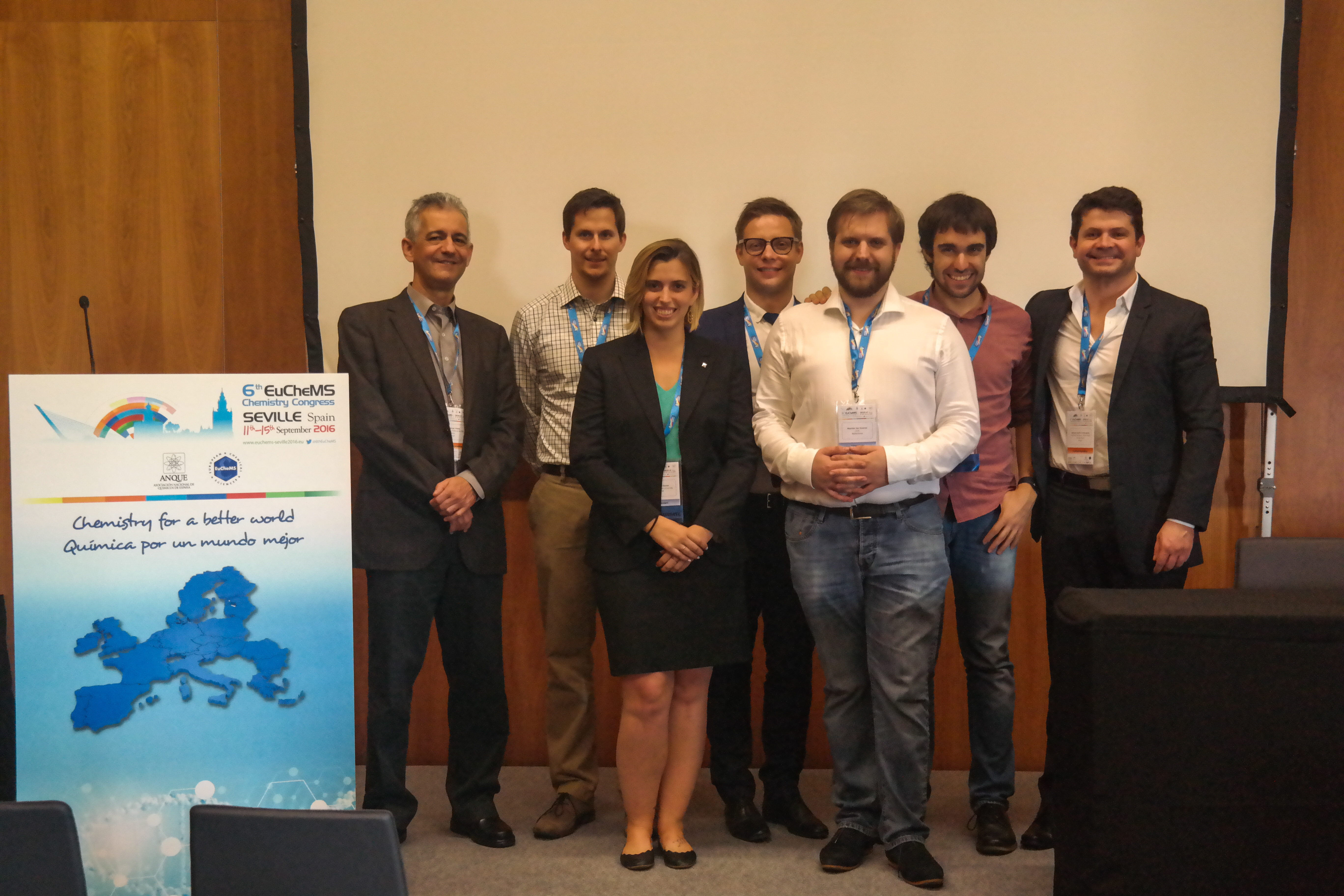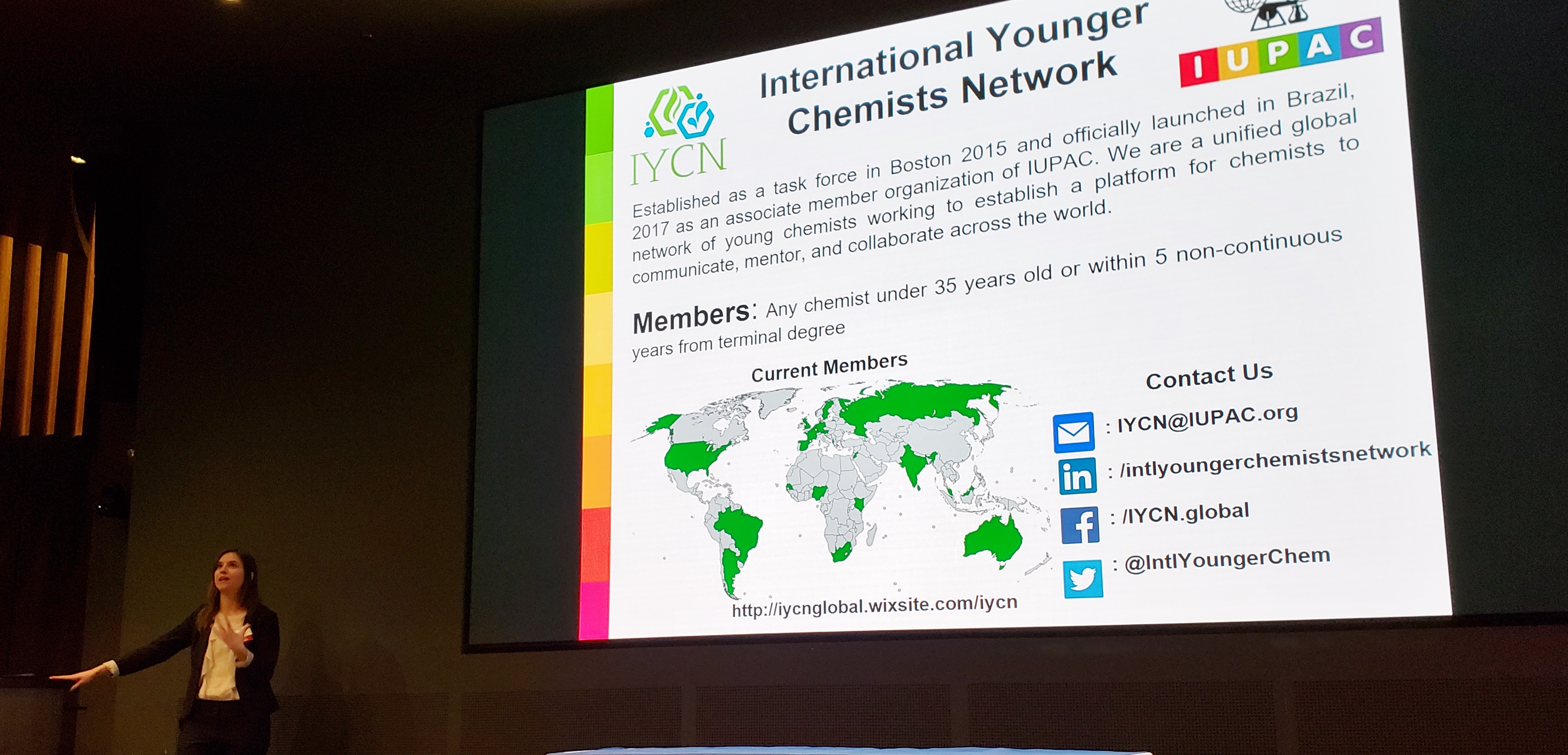

IYCN had the opportunity to gather at the 252nd American Chemical Society National Meeting in Philadelphia (USA).


We march for young chemists around the world so their voices can be heard.
We march because some of the largest scientific advancements have been made in the face of adversity.
We march because we believe that everyone should have the right to share their intellectual ideas and not be silenced.
We march so that all young people regardless of gender or identity know that they too can be chemists. And doctors, and astronauts.
We march because chemists can guarantee the best pharmaceuticals, the best materials, and a healthy environment.
We march for policy and the advancement of science.
We march because chemistry has no borders and we must all work together across oceans and continents.
We march for a truly international understanding of how chemistry effects the world we live in.
We march to be heard.
We march for facts.
Around the world organizations are taking a stand in the name of science, we, at the International Younger Chemists Network, would like to join these chemists, physicists, biologists, psychologists, and every science in between in their nonpartisan march!
On April 22nd, 2017 scientist will be taking their experiments to the streets. We would like to stand beside them and march with them throughout the world. It is very important for governmental institutions to understand that science, and specifically chemistry, is a truly international craft. There is an art to the work we do, and as the next generation of rising chemists it is our responsibility to NOT stay silent, to not let our voices be unheard, and to stand up for the advancement of knowledge.
We look forward to seeing all of you in cities around the globe this Earth Day. It’s time to be a catalyst, not an inhibitor.


Younger chemists from Brazil, Russia, Nigeria, and Vietnam, all winners of the first fellowship award organized by the International Younger Chemists Network (IYCN) and the German Chemical Society (GDCh), have just returned from Mainz, Germany where they participated in an international Spring Symposium “JCF-Frühjahrssymposium 2017” and visited famous global industries.
Prior to the start of the conference, awardees visited Merck, the world's oldest chemical-pharmaceutical company, in Darmstadt. The main activities of the company include but are not limited to, high-tech materials (liquid crystals, OLED screens and solar panels), biopharmaceuticals and life-scenes (laboratory equipment). In addition, Sanofi AG, the German branch of one of the world's leading pharmaceutical corporations, named "Hoechst Industrial Park" opened its doors to the IYCN fellowship recipients.
The industrial park is surrounded by the city of Frankfurt, a major logistics center at the intersection of road, air and railway. More than 80 large and small chemical enterprises have facilities, large investments and are the residents of this site.
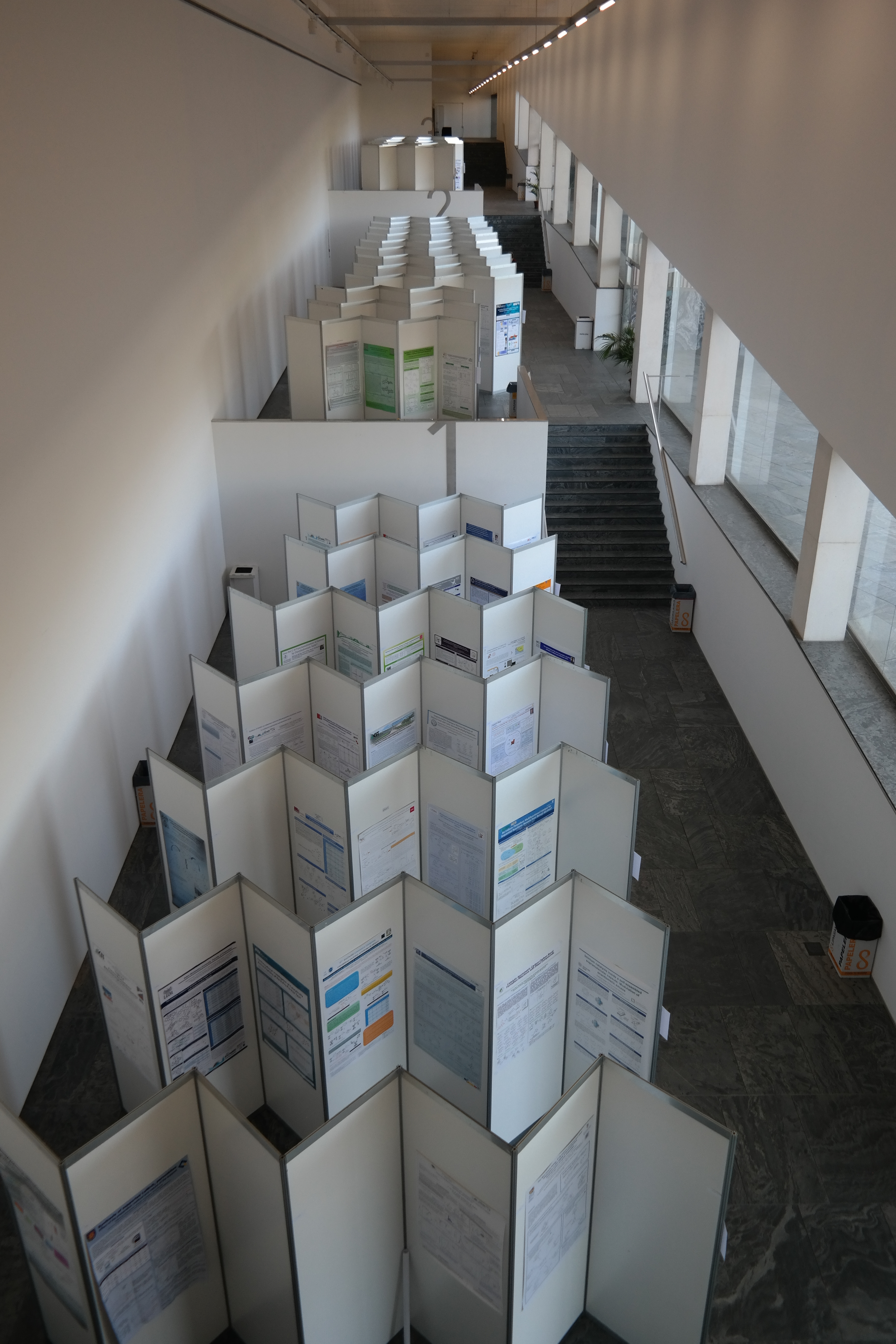
During the conference JCF-Frühjahrssymposium 2017 in Mainz, the birthplace of the first printer Johann Gutenberg, fellowship winners presented posters on their scientific achievements and gained valuable experience in the NMR interpretation workshop.
As a result of this one-week physical exchange, the laureates of the first IYCN and GDCh fellowship got acquainted with the current and cutting edge trends in the chemical industry, while having the opportunity to joined the chemical community on a global platform.

International Women and Girls in Science Day is February 11th. Why is this day important to you? Use #womeninSTEM and #WomenInScience to let the world know!
Science and gender equality are both vital for the achievement of the internationally agreed development goals, including the 2030 Agenda for Sustainable Development. Over the past 15 years, the global community has made a lot of effort in inspiring and engaging women and girls in science. Unfortunately, women and girls continued to be excluded from participating fully in science. According to a study conducted in 14 countries, the probability for female students of graduating with a Bachelor’s degree, Master’s degree and Doctor’s degree in science-related field are 18%, 8% and 2% respectively, while the percentages of male students are 37%, 18% and 6%.
In order to achieve full and equal access to and participation in science for women and girls, and further achieve gender equality and the empowerment of women and girls, the United Nations General Assembly adopted resolution A/RES/70/212 declaring 11 February as the International Day of Women and Girls in Science.